
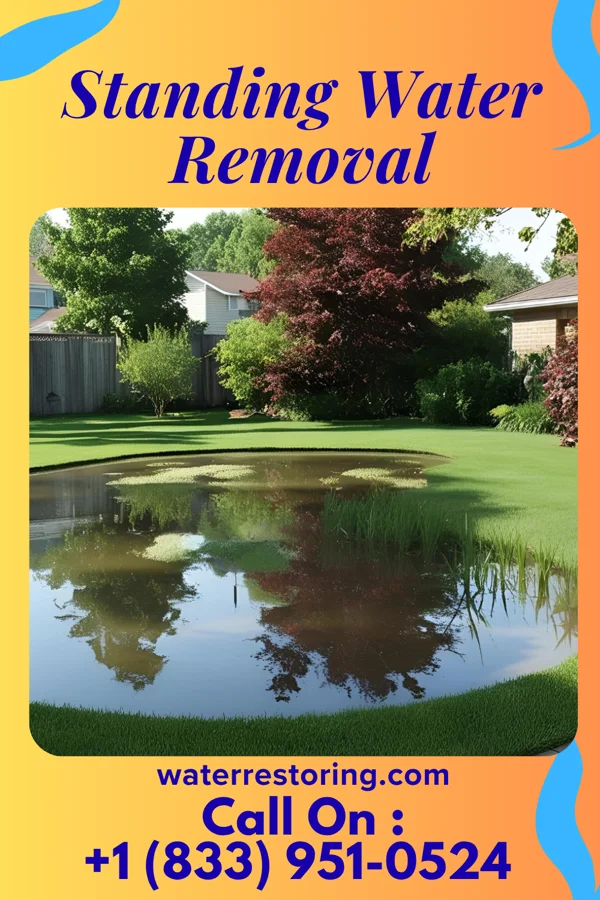
What Makes Dayton Lakes Standing-Water-Prone
Living in Dayton Lakes means dealing with In Dayton Lakes, Texas, the primary water damage cause is often related to residential plumbing failures, such as burst pipes and leaking water heaters, which can quickly flood homes and lead to significant structural issues. Additionally, heavy rainfall in the area can cause water to back up into basements and low-lying areas, especially during the spring and summer months. sooner or later. A close second is Secondary causes include malfunctioning sump pumps, roof leaks from storm damage, and inadequate drainage systems that lead to water pooling around homes. These issues are common in the rural setting of Dayton Lakes, where infrastructure may not be as robust as in more urban areas.. The good news: water damage is fully recoverable when you catch it fast and bring in certified technicians.
Dayton Lakes experiences a humid subtropical climate, which increases the risk of mold and mildew growth after water damage. The area is also prone to occasional heavy thunderstorms and flash flooding, which can lead to rapid water accumulation and damage to both residential and commercial properties.
Most standing water removal calls in Dayton Lakes come from In Dayton Lakes, Texas, the primary water damage cause is often related to residential plumbing failures, such as burst pipes and leaking water heaters, which can quickly flood homes and lead to significant structural issues. Additionally, heavy rainfall in the area can cause water to back up into basements and low-lying areas, especially during the spring and summer months.. Running a close second is Secondary causes include malfunctioning sump pumps, roof leaks from storm damage, and inadequate drainage systems that lead to water pooling around homes. These issues are common in the rural setting of Dayton Lakes, where infrastructure may not be as robust as in more urban areas.. Local mold risk: In Dayton Lakes, mold can develop within 48 hours of water exposure, making prompt action critical to prevent health risks and structural damage. The combination of high humidity and frequent rainfall accelerates mold growth, especially in older homes with poor insulation.